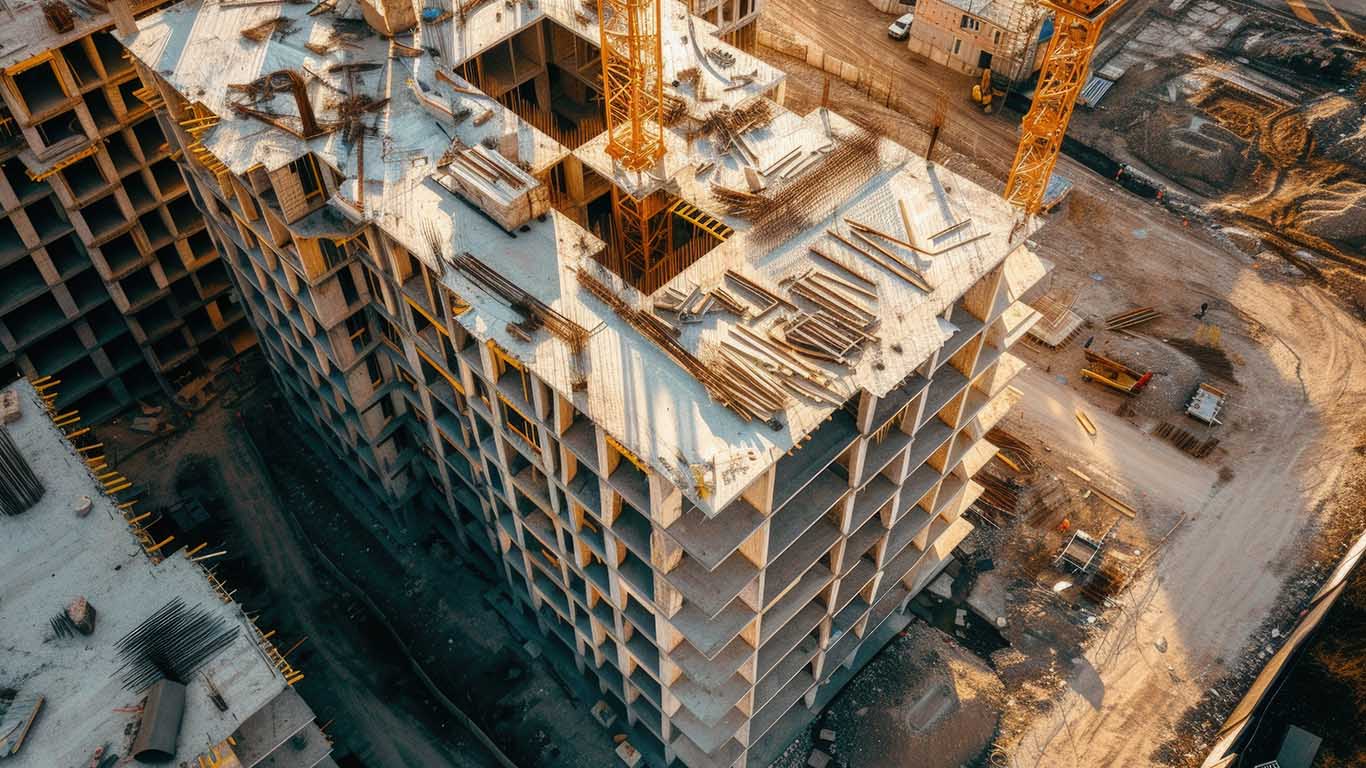
Obtaining building permission is the first and most important legal step before starting any construction project in Jaipur. Whether you are building a residential house, a commercial shop, or a multi-storey apartment complex, you must secure approval from the Jaipur Development Authority (JDA) or the relevant local body. Many homeowners find this process confusing and time-consuming, but with the right guidance, it can be completed smoothly. At Shree Shyam Construction, we assist our clients with the entire building permission process from start to finish.
Understanding the Authorities: JDA, JMC, and Gram Panchayat
In Jaipur, building permissions are primarily governed by the Jaipur Development Authority (JDA) for areas falling within the JDA jurisdiction, which covers most of urban and peri-urban Jaipur. For areas within the municipal limits, the Jaipur Municipal Corporation (JMC) — now known as Greater Jaipur Municipal Corporation — handles building approvals. For rural areas and villages on the outskirts, the Gram Panchayat grants construction permissions.
It is crucial to first determine which authority has jurisdiction over your plot. This can be verified by checking the land records, the JDA master plan, or consulting with a local architect. The building bye-laws, setback requirements, Floor Area Ratio (FAR), and ground coverage norms differ slightly depending on the governing authority and the zone your property falls under.
Documents Required for Building Permission
Having the correct documents ready before applying saves significant time. The key documents required include: Plot ownership documents (registry, sale deed, or allotment letter), Khasra/Girdawari (land revenue records), JDA-approved layout plan of the colony or scheme, No Objection Certificate (NOC) from relevant departments, Architect-prepared building plan with all required details (site plan, floor plans, sections, elevations), Structural stability certificate from a licensed structural engineer, and Indemnity bond on non-judicial stamp paper.
Additional documents may include NOCs from the fire department (for buildings above 15 metres), the airport authority (for areas near the airport flight path), the environmental department (for larger projects), and RERA registration (for projects with more than 8 units or plots above 500 sq. metres). The architect must be registered with the Council of Architecture (COA) and empanelled with JDA to submit the building plan.
Step-by-Step Approval Process
Step 1: Appoint a Licensed Architect. The first step is hiring a JDA-empanelled architect who will prepare the building plan as per the prevailing building bye-laws. The plan must comply with setback rules (front, rear, and side margins), FAR limits, height restrictions, parking provisions, and other applicable norms.
Step 2: Submit the Application Online. JDA has moved to an online approval system through the OBPAS (Online Building Plan Approval System) portal. The architect uploads the building plan in AutoCAD format, along with all supporting documents, and submits the application online. A unique application number is generated for tracking.
Step 3: Scrutiny and Site Inspection. The JDA technical team scrutinises the submitted plan for compliance with building bye-laws. A site inspection may be conducted by the Junior Engineer or Assistant Engineer to verify site conditions, plot boundaries, and road access. Any discrepancies or objections are communicated to the applicant for correction.
Step 4: Fee Payment. Once the plan is deemed compliant, the applicant receives a fee demand notice. Fees include development charges, building permission fees, external development charges, and other applicable charges. The total fee depends on the plot size, built-up area, and type of construction. For a typical residential plot of 200 sq. yards in Jaipur, expect to pay approximately ₹50,000 to ₹2,00,000 in total fees.
Step 5: Approval and Commencement Certificate. After fee payment and final verification, the building permission is sanctioned, and the approved plan is issued. The building permission is typically valid for 3 years from the date of issue, within which construction must commence. An extension can be applied for if needed.
"Building without permission is not just illegal — it puts your investment at risk. A properly approved building plan protects your property rights, ensures safety, and adds significant value to your property."
Timeline and Common Delays
Under JDA's streamlined online system, building permissions for residential plots up to 300 sq. metres are typically processed within 30 to 45 days. For larger or commercial projects, the timeline extends to 60 to 90 days. However, delays commonly occur due to incomplete documentation, discrepancies in land records, pending NOCs from other departments, or non-compliance with bye-laws that requires plan revision.
The most common mistakes that cause delays include: submitting outdated ownership documents, incorrect plot dimensions in the building plan, non-compliance with setback norms, exceeding the permissible FAR, and failing to provide adequate parking calculations. Having an experienced architect and a construction partner like Shree Shyam Construction eliminates most of these issues upfront.
The Role of the Architect in the Approval Process
The architect plays a pivotal role in the building permission process. They not only design the building plan but also ensure compliance with all applicable building bye-laws, zoning regulations, and structural safety codes. A competent architect understands the nuances of JDA requirements — such as the specific setback ratios for different road widths, the maximum number of floors allowed for different plot sizes, and the mandatory provision for rainwater harvesting, solar panels, and EV charging points in newer developments.
The architect is also responsible for supervision during construction to ensure that the building is constructed as per the approved plan. Any deviation from the approved plan is considered unauthorised construction and can attract penalties. At Shree Shyam Construction, we have an in-house architectural team that handles the entire design and approval process seamlessly for our clients.
Penalties for Unauthorised Construction
Constructing without building permission or deviating from the approved plan is a serious offence under the Rajasthan Urban Areas Building Regulation Act. Penalties include heavy fines (often many times the original permission fee), sealing of the property, demolition orders for the unauthorised portions, and in some cases, criminal proceedings against the owner and the builder. Unauthorised buildings also face complications during property sale, bank loan processing, and utility connections (electricity, water, sewage).
The JDA periodically conducts drives to identify unauthorised constructions, and with satellite imagery and drone surveillance becoming more common, it is increasingly difficult to evade detection. Regularisation of unauthorised construction, when available, involves paying a compounding fee that is significantly higher than the original permission cost. The safest and most cost-effective approach is always to build with proper permission from the start.
How Shree Shyam Construction Can Help
At Shree Shyam Construction, we provide end-to-end assistance with the building permission process. From appointing qualified architects, preparing compliant building plans, gathering all required documents, navigating the online submission process, coordinating with JDA officials, to ensuring construction adheres strictly to the approved plan — we handle everything so you can focus on your dream building. Contact us at +91 96497 68296 or visit us at Plot No. 75, Royal City, Sunder Vihar, Jaipur to discuss your project requirements.